
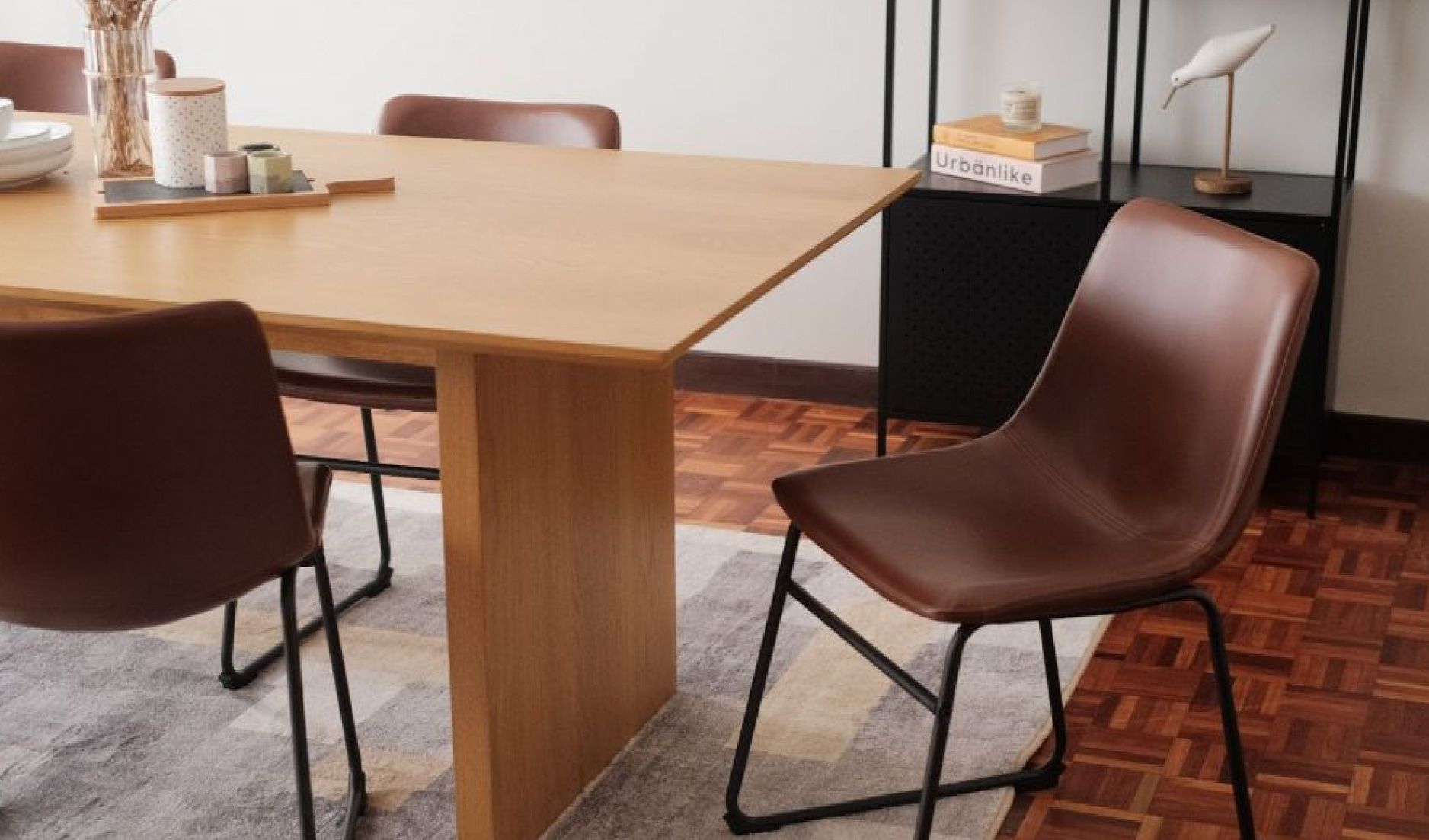
Open-concept floor layouts are a great option if you’re looking for an abundance of space and interior design possibilities. Since there is so much space, and these areas are frequently great rooms, you will need to establish and classify areas within the floor plan in a logical manner.
So, here are some ways that you can define the various spaces in your open-concept home.
Incorporate Area Rugs
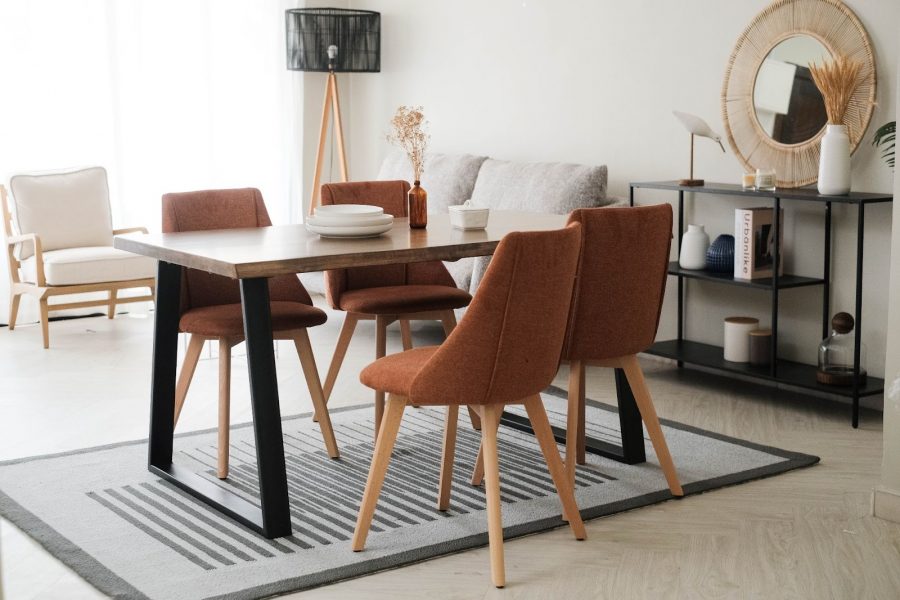
Carpet may be a less common option, but strategically positioned area rugs are one of the trending flooring styles and are also helpful in establishing zones. It's easy to define spaces in an open concept by laying down area rugs for the location you wish to develop.
Keep in mind of the following factors when you are picking an area rug:
- Shape
- Size
- Colour
This strategy tends to define rooms further when combined with other techniques like furniture grouping, colour, and more.
Arrange Furniture In Groups
Arranging furniture associated with a specific spot or area into groups is one of the easiest methods to delineate zones in an open-concept floor plan. You can instantly create the impression that a group of furniture pieces is present by grouping similar pieces next to one another in the same zone.
Establishing paths to move throughout the area and directing foot traffic can also be accomplished by combining furniture and creating space between groups. While it's not solely a great room, you can establish a zone in an open-concept floor plan by grouping furnitures and considering common paths when you organise the area.
Grouping can be sufficient to define spaces, depending on your furniture and how you decided to organise it throughout the entire room. In some circumstances, more is needed to determine areas in the desired manner. If so, you can combine grouping with other techniques to define spaces more clearly.
Think Of Furniture Angles
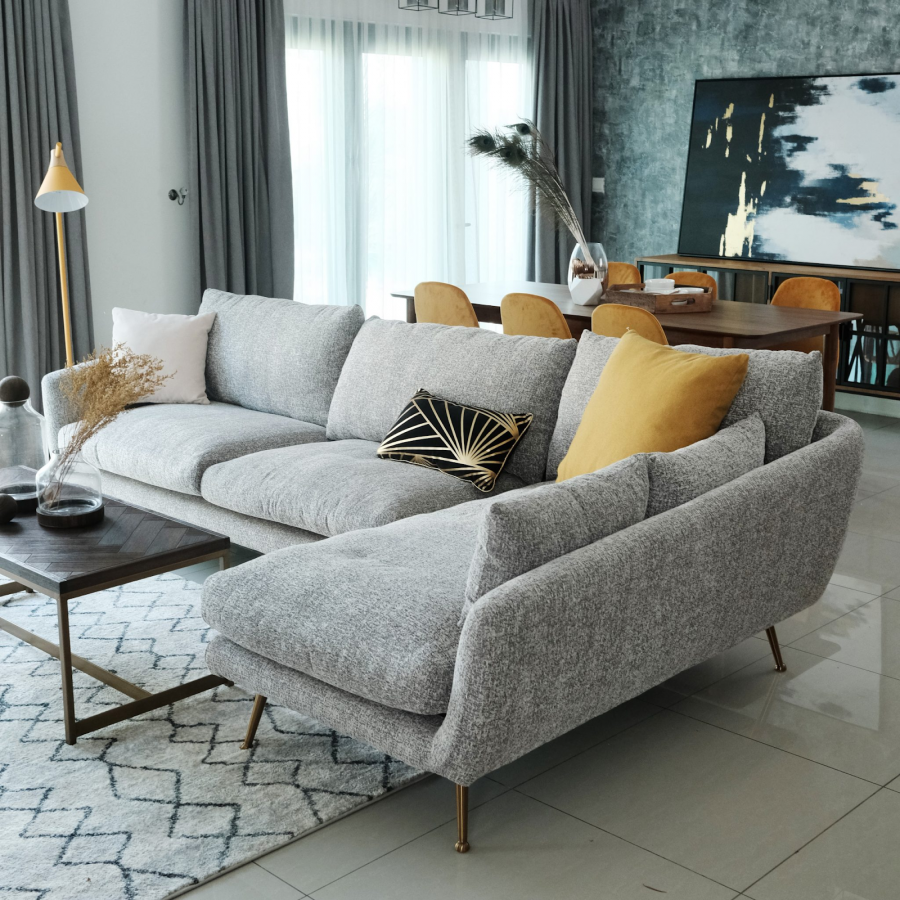
Along with grouping similar furniture to establish a space, you can create distinct areas or furniture groupings by adjusting the position at which they are placed. Change the angle of one of the furniture sets rather than angling them parallel to one another.
A minor angle adjustment away from a smooth parallel flow is sufficient to establish definition and separation. Moving furniture up against walls is a common mistake in interior design. Leaving some space between the walls and furniture, as well as experimenting with angles, will help you eliminate this mistake and make greater use of the room.
Play With Colour Coordination
Combining similar colours in various ways is one of the best room design strategies. While you can make this work as a tool in defining zones in an open-concept floor plan, you can also go further and incorporate specific pops of colour or larger concentrations of one colour to separate spaces and tie furniture groupings together in a particular zone.
While you should keep to colours that go well with the room's theme and colour scheme, you can also use complementary contrasts to your advantage. If your colour scheme is more neutral and includes blues, greens, and earthy tones, you may incorporate accents that are more heavily concentrated in blue in one area and green in another. With everything still connected, this is a discreet method to define spaces.
Use Visual Dividers
The lack of walls in open-concept floor plans is intentional, but you can still use furniture to provide the appearance of a wall, partial wall, or visual boundary. To construct a visual barrier to separate spaces in an open-concept floor plan, you can use any of the following alternatives:
- Bookshelf
- Table
- Privacy screen
- Decorative panel room divider
- Folding screen
For a more subtle division, a low table or bookshelf behind a couch or a room divider that protrudes outward like a wall can also be used to establish, divide, and separate zones.
Establish Centres and Edges With Lighting
Every area needs lighting, and even a vast space can benefit by helping you identify the centres and boundaries of the zones you want to use for specific purposes. A centre or focus point can be established for a seating area or workspace using any of the following:
- Pendant Lighting
- Chandelier
- Ceiling light
To help define a space's edges, you can add lighting options all over it. When it's dark outside, and all other lights are turned off, where does the light from a lamp or different lighting taper off/end? With this in mind, you can be sure that your floor plan's designated spaces have enough lighting that diminishes as it approaches a separation point.
Use The Ceiling To Your Advantage
You can use a variety of ceiling types and ceiling design components to your advantage in an open-concept area, including:
- Tray ceilings
- Dropped ceilings
- Exposed beams
- Vaulted ceilings
If you have set priorities on organising spaces in a given way or have portions of the floor plan that you know will always be a specific type of space, such as a dining room, you can further delineate spaces with the ceiling and lighting around that area.
Open-Concept Floor Plan Does Not Have To Be Intimidating
Working with an open–concept home does not have to be a challenge when you have the basics for establishing the various spaces. One advantage of open-concept floor layouts is the additional space and flexible arrangement.
You can make the most of this kind of space in your custom home by working with your house designer to apply one or more of these methods to delineate zones in an open-concept floor plan.
Find the best floor rug for your home in Ruma Home!
If you’re looking for the best high-quality yet price-friendly rugs in Malaysia to furnish your living space, then come get yours at Ruma Home.
Our internal teams of designers help select the right pieces that are perfect for your home. You’ll also see the great quality and design features of our floor rugs from the look of a professional interior designer! Visit our showroom now!
