

Last Updated: 14 August 2026
10 Elegant Dining Room Decor Ideas for Malaysian Homes
An elegant dining room does not need to be formal or filled with expensive objects. It feels considered because the colours, proportions, textures and practical details work together. A strong focal point, a simple table setting and a few carefully chosen accessories can change the room without replacing the main furniture.
To make a dining room look more elegant, begin with one visual focal point, keep the dining table functional, repeat two or three colours or materials, add texture through textiles and greenery, and leave enough empty space for every item to stand out. Wall art, mirrors, vases, candles, trays, table linens, tableware, rugs and styled storage can all contribute when they are used with restraint.
Here are ten dining room décor ideas for Malaysian homes, including compact apartments, condominiums and larger dining spaces.
What makes a dining room look elegant?
Elegance usually comes from coordination rather than quantity. The room should have a clear visual hierarchy: one feature attracts attention first, supporting pieces add interest, and practical surfaces remain usable.
Use this simple formula:
-
Choose one focal point—such as wall art, a mirror or a statement centrepiece.
-
Repeat a limited palette across table linens, artwork and accessories.
-
Mix textures such as glass, ceramic, wood, metal and fabric.
-
Vary heights to create shape without blocking conversation.
-
Preserve negative space so the table and sideboard do not feel crowded.
Quick guide: which dining room décor should you choose?
| Your goal | Décor to try | Why it works |
|---|---|---|
| Create a focal point | Large wall art or a mirror | Draws attention and anchors the dining zone |
| Make a compact room feel more open | Mirror and light-coloured accessories | Reflects light and reduces visual heaviness |
| Add warmth for evening meals | Candles and candle holders | Introduces a soft, layered glow |
| Refresh the table quickly | Vase, tray or table linens | Changes the mood without replacing furniture |
| Make everyday meals feel considered | Coordinated plates and glassware | Creates a cohesive table setting |
| Define an open-plan dining area | Appropriately sized rug | Visually groups the table and chairs |
| Add storage and a display surface | Sideboard | Keeps serving pieces nearby and creates a styling zone |
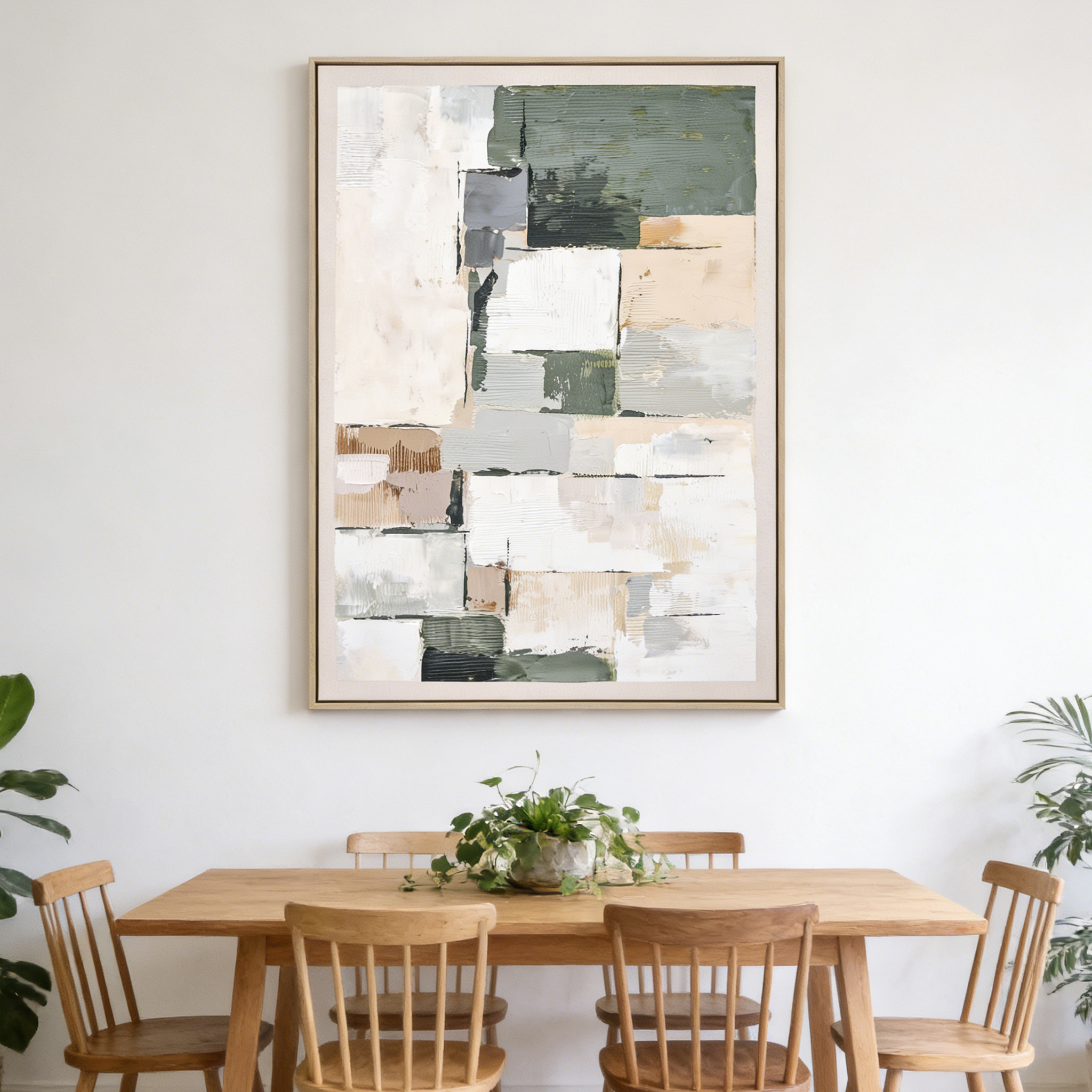
1. Anchor the room with large wall art
A large artwork can establish the colour palette and mood of the entire dining room. It is especially useful when the table sits against a long, empty wall or when an open-plan dining zone needs a stronger identity.
How do you choose dining room wall art?
-
Select a piece that relates to the width of the furniture or wall below it.
-
Repeat one or two colours already present in the chairs, rug or table setting.
-
Choose a calmer composition for a restful atmosphere or a bolder design for a stronger focal point.
-
Check the artwork from both seated and standing positions.
-
Avoid hanging it so low that chairs can touch the frame.
One substantial piece often looks more intentional than several small items scattered across a large wall. If the dining table is already visually detailed, choose art with a simpler composition.
Browse wall art and compare the dimensions with your available wall area before deciding.
2. Build a balanced gallery wall
A gallery wall creates a more personal focal point by combining framed art, photographs or other wall pieces. It works well above a sideboard or on a wall where one oversized artwork would feel too dominant.
How do you make a gallery wall look elegant rather than cluttered?
Choose one element to repeat:
-
The same frame colour
-
A consistent spacing between pieces
-
A shared colour palette
-
One illustration or photography style
-
A common outer alignment
Lay the arrangement on the floor first or make paper templates and attach them temporarily to the wall. This lets you assess the overall shape before drilling or applying permanent fixings.
In a small dining room, a compact arrangement of three or five related pieces may feel calmer than a wall filled edge to edge. Explore picture frames if you want to create a coordinated display.
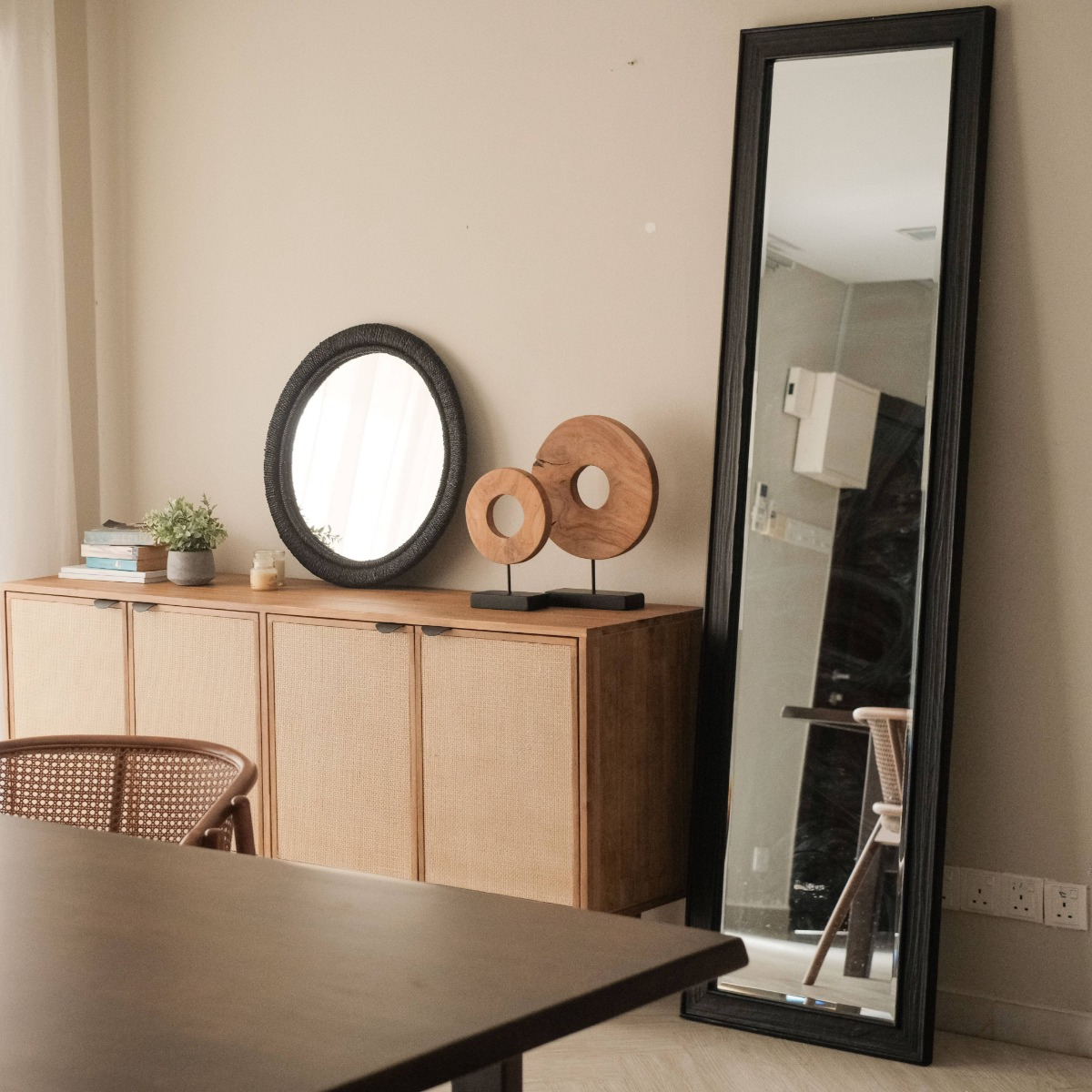
3. Use a mirror to reflect light and depth
A mirror can make a dining area feel brighter and visually deeper, especially when it reflects a window, artwork or attractive part of the room. Its frame also acts as a decorative element.
Where should a dining room mirror go?
Place it where the reflection improves the view. Before mounting it, sit at the table and check what diners will see. Avoid angles that reflect clutter, harsh lighting or a busy service area.
The mirror should relate to the furniture below it. A horizontal mirror can complement a long sideboard, while a round mirror introduces contrast in a room dominated by rectangular tables and cabinets.
Use secure, wall-appropriate fixings and follow the product installation instructions. Browse decorative mirrors for different shapes and proportions.
4. Create a centrepiece with a vase and botanicals
A vase is one of the easiest ways to add height, colour and natural form to a dining table or sideboard. It can hold fresh flowers, preserved stems or artificial botanicals, or work as a sculptural object on its own.
How tall should a dining table centrepiece be?
For everyday dining, keep the arrangement low enough for people to see one another across the table, or use a tall, narrow composition that leaves sightlines open. Move a larger arrangement to the sideboard during meals if it interrupts conversation or serving.
How do you choose the right vase?
-
Match the opening to the type and number of stems.
-
Use a wider, heavier base for tall arrangements.
-
Repeat a material already in the room, such as ceramic, glass or natural texture.
-
Check that the base will not scratch or mark the tabletop.
-
Choose a watertight container for fresh flowers, or place a protective liner inside when appropriate.
Explore vases and pots, then pair them with artificial plants and trees or preserved stems that suit the arrangement.
5. Add warmth with candles and candle holders
Candles create a soft focal point for evening meals and special occasions. Candle holders add height and shape even when the candles are not lit.
How do you style candles on a dining table?
Group an odd number of candles or holders in different heights, but keep the arrangement below eye level when people are seated. A tray can contain the grouping and make it easier to move before serving food.
For a balanced display, combine one taller holder with two lower pieces rather than creating a row of identical items. Unscented candles may be preferable during meals because a strong fragrance can compete with food aromas.
Keep open flames away from flowers, fabrics, children, pets and air movement. Never leave a burning candle unattended. If open flames are unsuitable, LED candles can create a similar visual effect.
Browse lanterns and candle holders or explore the wider home décor collection.
6. Organise the centrepiece with a decorative tray
A tray gives several small objects a single visual boundary. It can hold a vase, candle holders, salt and pepper containers or small serving pieces while making it easier to clear the table.
What size tray suits a dining table?
The tray should leave enough clear table surface for plates, glasses and serving dishes. A long table may suit an elongated tray, while a round table often works well with a circular or compact centrepiece.
Use a finish that contrasts gently with the tabletop. For example, wood can warm a glass or stone-look surface, while metal or ceramic can add definition to a timber table. Add protective pads if the tray base could scratch the finish.
Explore decorative trays or compare practical serving boards, trays and serveware.
7. Layer the table with linens and coasters
Table linens introduce colour and softness while helping protect the dining surface. You do not need a full tablecloth to create an elegant setting; a runner, placemats, napkins and coasters can provide enough structure.
How do you coordinate dining table linens?
Choose one of these approaches:
-
Tonal: Use related shades of the same colour for a calm look.
-
Contrast: Pair a light table with deeper textiles or a dark table with pale linens.
-
Natural: Combine neutral fabric with wood, ceramic and greenery.
-
Seasonal: Keep the base neutral and change napkins or placemats for celebrations.
Avoid layering so many textiles that chairs catch on the edges or serving dishes become unstable. In Malaysia's humid climate, ensure linens are completely dry before storing them and follow their care labels.
Browse table linens and coasters for practical ways to introduce colour and texture.
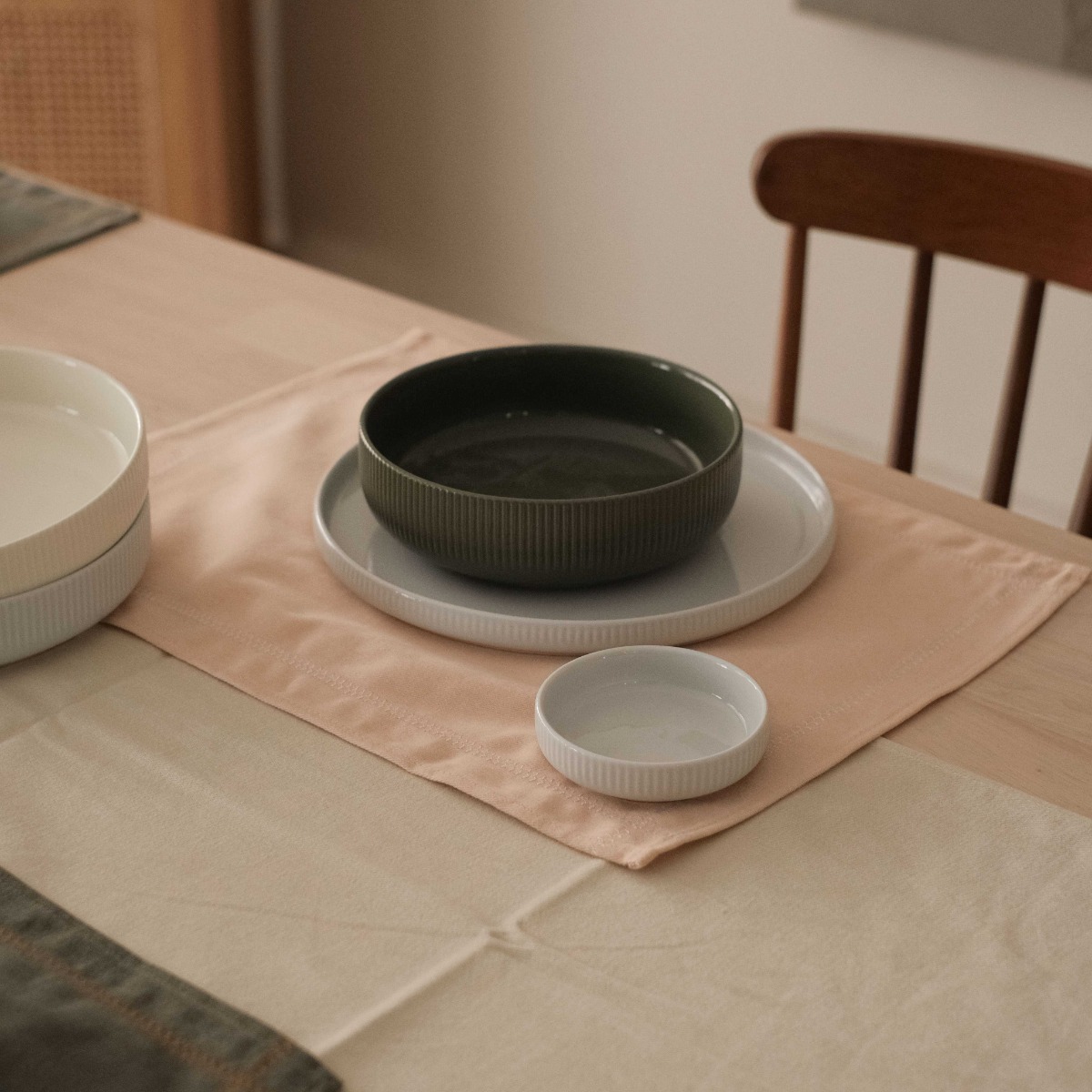
8. Coordinate plates, bowls and glassware
Tableware is functional décor. A coordinated setting can make an ordinary meal feel considered even when the rest of the table remains simple.
Does all dining tableware need to match?
No. A polished setting can mix pieces when at least one feature connects them. For example:
-
Use plates in one neutral colour with textured glassware.
-
Mix clear and coloured glasses with the same silhouette.
-
Combine plain dinner plates with patterned side plates.
-
Repeat one metallic finish in the cutlery and serving pieces.
Start with the items used most frequently rather than buying a large formal set that rarely leaves storage. Confirm the care instructions, capacity and dimensions, especially if the pieces must fit a dishwasher or cabinet.
Browse plates and bowls and explore glassware to build a setting around your everyday routine.
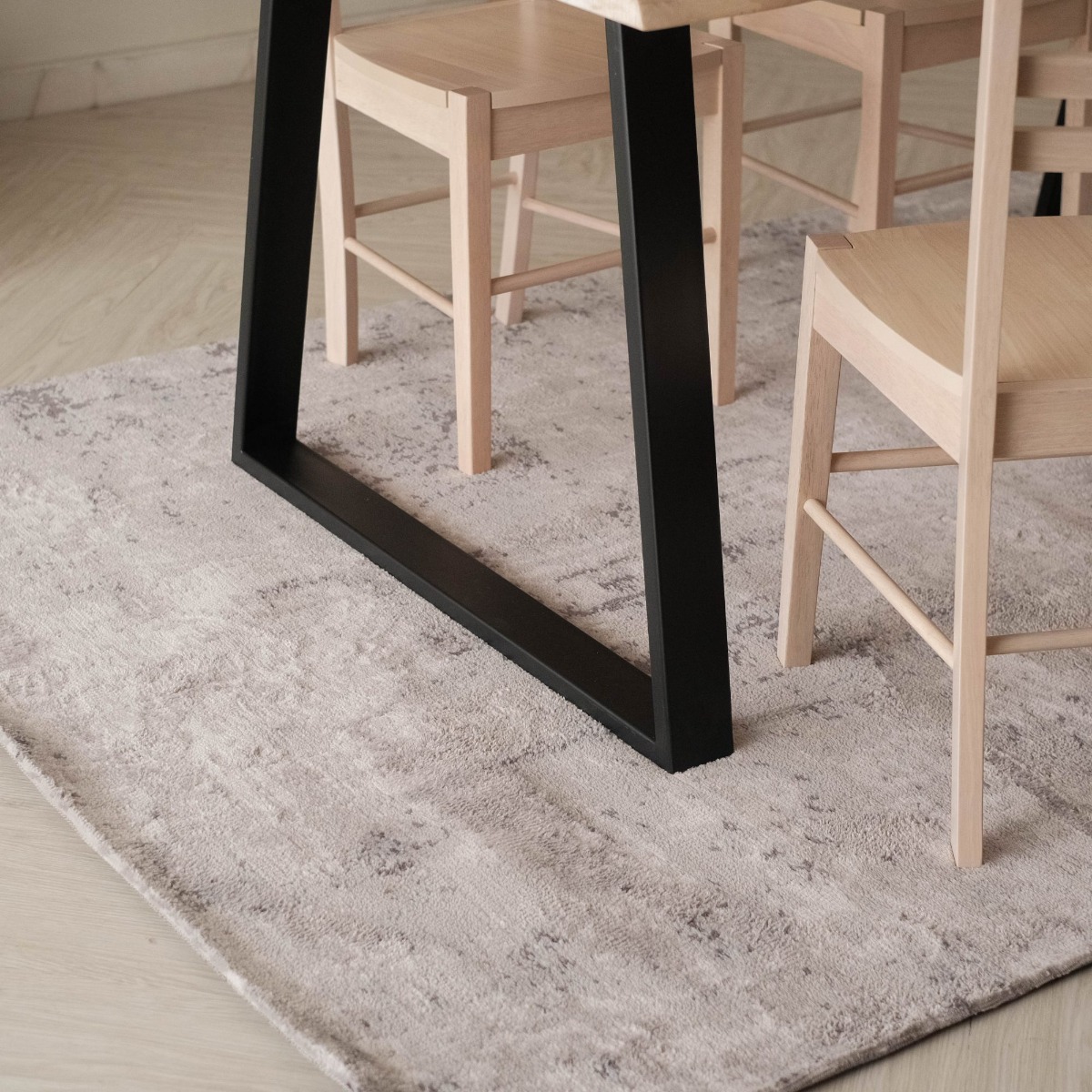
9. Define the dining area with a rug
A rug can visually anchor the table and soften an open-plan room. It also introduces pattern and texture at floor level.
What size rug should go under a dining table?
Choose a rug large enough for the chairs to remain on it when they are pulled out for sitting. Measure the table, then add the distance that the chairs travel on every used side. Mark the proposed rug size on the floor before ordering.
The correct dimensions depend on the table shape, chair depth and room layout. Avoid selecting a rug based only on the number of seats.
Which rug is practical for a dining room?
Look for a surface that suits regular cleaning and chair movement. A low or relatively flat pile is generally easier for chairs to move across than a very deep pile. Patterned or mid-tone rugs may disguise minor everyday marks better than very pale, plain designs.
Follow the product's care instructions, clean spills promptly and consider a suitable rug pad where appropriate. Explore rugs and compare their full dimensions with your table-and-chair footprint.
10. Style a sideboard with useful objects
A sideboard provides concealed dining storage and a surface for décor or serving. It can hold tableware, linens and occasional pieces close to the table while keeping everyday visual clutter under control.
How do you decorate a dining room sideboard?
Use a simple three-part composition:
-
Anchor: Place art or a mirror above the sideboard.
-
Height: Add a lamp-shaped decorative object, tall vase or botanical arrangement on one side.
-
Low element: Balance it with a tray, bowl or smaller grouped objects.
Leave a section of the surface empty for serving dishes or drinks. The arrangement does not need to be symmetrical, but its visual weight should feel balanced.
Browse dining-room sideboards and the decorative objects collection for pieces that can be styled together.
How do you decorate a small dining room?
In a compact dining area, every piece needs a clear role. Choose fewer items at an appropriate scale rather than miniaturising every decorating idea.
-
Use one artwork or mirror instead of several competing wall features.
-
Keep the table centrepiece low and easy to move.
-
Choose a tray to contain small items.
-
Repeat a restrained colour palette.
-
Use a rug only when chairs can move comfortably and the edges will not interfere with circulation.
-
Select a shallow sideboard only if doors and walkways remain clear.
-
Keep some wall, floor and tabletop space empty.
Light colours and reflective finishes can make the room feel more open, but contrast is still useful. A dark frame, vase or chair can give the eye a clear focal point without taking up extra floor space.
How do you choose a dining room colour palette?
Begin with the largest fixed elements—the dining table, chairs, floor and walls. Then select:
-
One main neutral or background colour
-
One supporting colour
-
One accent colour used in smaller quantities
Repeat these colours across two or three areas. For example, a green artwork can connect with botanical stems and a small detail in the table linens. Repetition creates cohesion without requiring every object to match.
Materials can perform the same role as colour. Repeating warm wood, black metal, clear glass or textured ceramic can tie the room together.
How can you style the dining table for different occasions?
| Occasion | Simple styling approach |
| Everyday meals | Low vase or tray, coasters and easy-care placemats |
| Dinner with guests | Coordinated tableware, cloth napkins and low candles |
| Festive gathering | Seasonal accent colour, layered serving pieces and a removable centrepiece |
| Brunch | Light linens, clear glassware and fresh or artificial greenery |
| Formal meal | Repeated place settings, restrained centrepiece and polished glassware |
Keep serving space in mind. A beautiful arrangement that must be scattered around the room as soon as food arrives is not practical. Use a tray or sideboard so décor can move as one group.
Common dining room decorating mistakes
Using too many focal points
Large art, a gallery wall, a mirror and a tall centrepiece can compete when placed together. Choose one dominant feature and let the others support it.
Blocking conversation with the centrepiece
Check the arrangement from a seated position. Keep it low, narrow or easy to remove.
Choosing a rug that is too small
If chair legs repeatedly catch the rug edge, the dining area becomes uncomfortable and unsafe. Measure the chairs in their pulled-out position.
Decorating every available surface
Empty space is part of the composition. Leave room on the table and sideboard for practical use.
Ignoring cleaning and maintenance
Dining rooms experience spills and regular chair movement. Check care instructions before choosing rugs, linens, tableware and decorative finishes.
Buying accessories before establishing a palette
Random individual pieces can create visual noise. Decide on the room's main colours and materials first.
Dining room décor checklist
Before purchasing, ask:
-
What is the room's main focal point?
-
Which two or three colours or materials will repeat?
-
Does each item have a clear visual or practical role?
-
Is the wall décor correctly scaled to the wall or furniture below it?
-
Can diners see one another across the centrepiece?
-
Is there enough table space for plates and serving dishes?
-
Can the chairs move fully over the rug?
-
Are the items easy to clean and store?
-
Have I checked dimensions and installation requirements?
-
Have I reviewed the current delivery, exchange and return terms?
Shop dining room décor at Ruma Home
The easiest way to create an elegant dining room is to build it gradually. Start with one focal point, add a simple table arrangement, and repeat colours or materials across a few carefully chosen pieces. Stop before the room feels full.
Explore Ruma's current home décor and accessories, then compare wall art, mirrors, vases, table linens, tableware, rugs and botanicals by size, material and care requirements.
Before ordering, note that Ruma's current 14-Day Satisfaction Guarantee does not apply to accessory categories including Home Decor, Wall Decor & Mirrors, Plants, Table & Kitchenware, and Rugs and Mats. Review the latest satisfaction guarantee terms and inspect product dimensions and care details carefully before purchasing.
Frequently asked questions
How can I make my dining room look more elegant?
Choose one focal point, repeat a limited colour and material palette, add texture through textiles or botanicals, vary the height of decorative objects and leave enough empty space for the room to remain functional.
What décor should I put in a dining room?
Useful dining room décor includes wall art, mirrors, vases, botanicals, candles, trays, table linens, glassware, tableware, rugs and styled sideboard accessories. Choose a few pieces that suit the room rather than using every category at once.
What should I put in the centre of a dining table?
A low vase, botanical arrangement, decorative tray or small group of candle holders can work well. The centrepiece should leave room for place settings and serving dishes and should not block conversation.
How do I decorate a dining table when it is not in use?
Use one contained arrangement, such as a vase and tray, rather than spreading small objects across the table. A contained centrepiece looks intentional and can be moved easily before meals.
How do I decorate a small dining room?
Use one wall focal point, a compact centrepiece and a restrained colour palette. Choose correctly scaled pieces, avoid crowding the table and keep walkways clear. A mirror can reflect light when positioned thoughtfully.
Should dining room wall art match the table?
It does not need to match exactly. The artwork can connect with the room by repeating a colour, material, mood or shape found in the table, chairs, rug or accessories.
Should I put a rug under my dining table?
A rug can define the dining area and add softness, but it must be large enough for chairs to remain on the rug when pulled out. Choose a surface that suits cleaning and regular chair movement.
How do I style a dining room sideboard?
Anchor it with art or a mirror, add a taller vase or botanical arrangement, and balance it with a lower tray or decorative object. Leave some surface free for serving.
Do dining room accessories need to match?
No. A coordinated room can mix styles when the pieces share one or two features, such as colour, finish, texture or shape. Repetition matters more than exact matching.
Can I return Ruma home décor accessories if they do not suit my dining room?
Ruma's current 14-Day Satisfaction Guarantee excludes accessory categories including Home Decor, Wall Decor & Mirrors, Plants, Table & Kitchenware, and Rugs and Mats. Check the latest terms and product details before ordering.
Reviewed by the RUMA Editorial Team
The RUMA Editorial Team reviews home and furniture content to help readers make clearer buying decisions based on space, function, and everyday living needs.
