
Key Takeaway
-
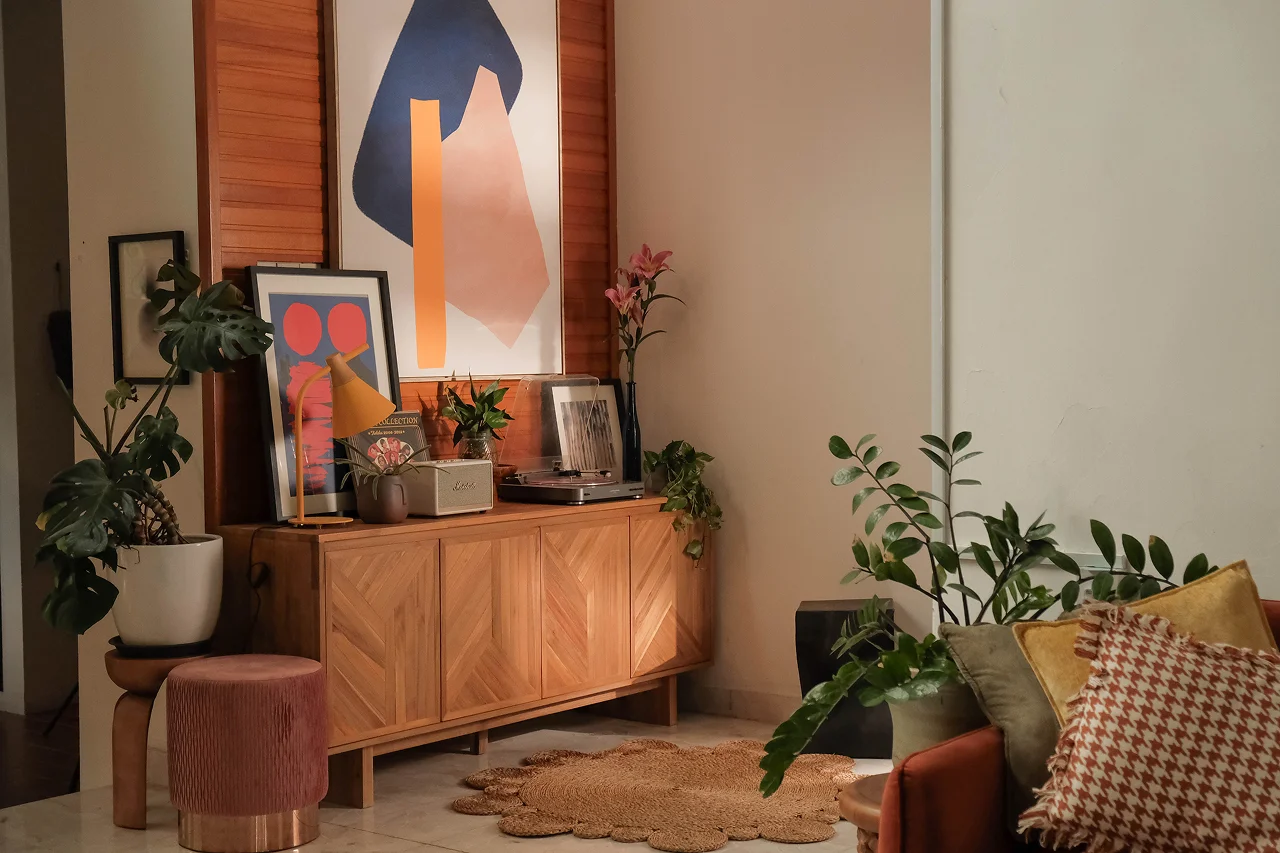
When deciding on a chest of drawers vs sideboard, start with what you're storing. Drawers suit folded clothes, cables and papers, while a sideboard suits platters, tall bottles and board games.
-
A chest of drawers fits a short stretch of wall in a bedroom or by the front door, and its small top holds a lamp or a key tray.
-
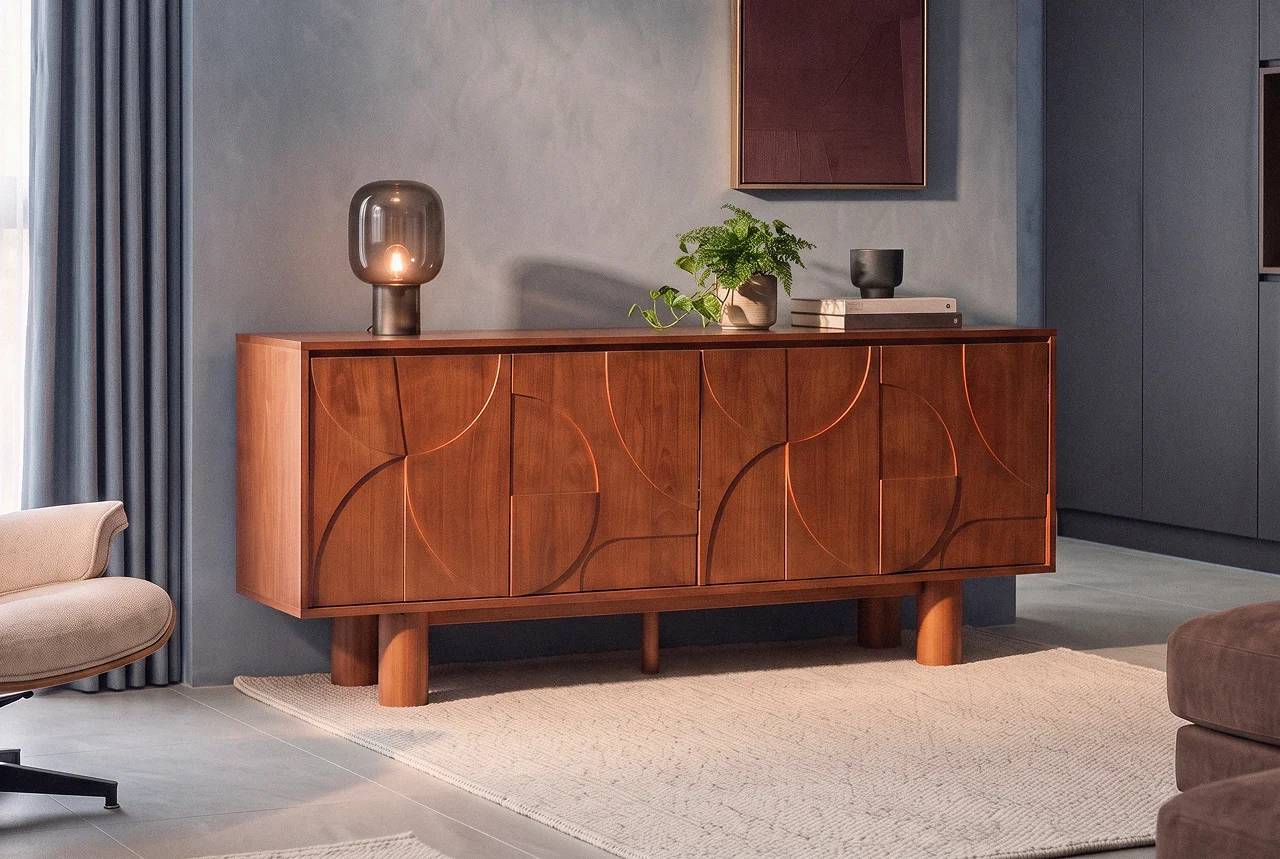
A sideboard needs a longer wall, and when its top sits close to your dining table's height, it doubles as a serving counter during family meals and open houses.
-
Before buying a chest of drawers or sideboard, measure the floor in front of it as well as the wall, since drawers slide out and hinged doors swing open.
-
Check that your lift, corridor and doorways are wide enough for a long sideboard, since it has to get through all of them on delivery day.
Introduction
If laundry keeps piling up on a chair and serving plates live on top of the fridge, it's time for more storage. Before you buy, think about what you'll be putting away. Stacked T-shirts on a cabinet shelf can topple when you pull one out, and a tall platter won't fit in a drawer.
A chest of drawers is made for the first problem, and a sideboard for the second. If you're weighing up a chest of drawers vs a sideboard, start by splitting your things into two piles: what lies flat and what stands tall. Then measure the wall where the furniture will go.
How Do a Chest of Drawers and a Sideboard Differ in Size?
A chest of drawers is tall and narrow, so it suits a short wall. A sideboard is long and low, so it needs a longer wall. Use this quick chest of drawers vs sideboard comparison when you browse sideboards and chests:
|
Feature |
Chest of drawers |
Sideboard |
|
Wall space |
Narrow |
Long |
|
Height |
Taller, uses vertical space |
Lower, can sit near table height |
|
How you reach things |
Stacked drawers |
Cabinet doors |
|
Top surface |
Small, for a lamp or tray |
Long, for serving or display |
Which Items Suit Drawer Storage vs Shelf Storage?
Drawers suit small, flat things you reach for daily, while the shelves behind cabinet doors suit tall or bulky things you use now and then. Think of drawer storage vs shelf storage this way. A drawer slides out, so you can spot a charger or a pair of socks at a glance, while a cabinet shelf gives tall things room to stand.
Try sorting what you plan to store into these groups:
-
Folded T-shirts, sarongs, socks and gym wear stack neatly in drawers.
-
Phone chargers, cables, batteries and spare remotes stay sorted in a drawer with small trays.
-
Bills, warranty cards and school files lie flat in a drawer instead of curling on a shelf.
-
Serving platters, a spare rice cooker and tall bottles need the height of a cabinet.
-
Board games, photo albums and the good plates for Chinese New Year or Hari Raya suit a cabinet, since you might only bring them out a few times a year.
If clothes, cables and papers make up the bigger pile, go for a chest of drawers. If platters, bottles and games win out, choose a sideboard.
Sorting your things into what lies flat and what stands tall tells you which piece to buy.
How Much Space Do a Chest of Drawers and Sideboard Need?
Plan for the space the furniture takes up, plus the floor in front that you need to open it. A drawer can slide out almost as far as the chest is deep, and you need room to stand in front of it while it's open. A sideboard with hinged doors needs clear floor space for each door to swing open. Sliding doors skip that, which helps in a narrow dining area.
The Masking Tape Test for Drawer and Door Space
You can test this at home with a roll of masking tape before you buy:
-
Mark the furniture's footprint on the floor.
-
Mark how far the drawers or doors open in front of it.
-
Check that someone can still walk past while a drawer is open.
If the path to a bedroom, bathroom, or kitchen gets blocked, try a shallower piece or another spot.
Height Checks for Windows, Switches and Aircon Units
A low sideboard can tuck below a window or light switch, while a taller chest may reach the sill. Measure from the floor to the window sill, light switch, or aircon unit. Then compare that with the furniture height listed on the product page.
Where Should a Chest of Drawers or a Sideboard Go?
A chest of drawers works well in bedrooms and narrow spaces, while a sideboard fits beside the dining table or along a long living room wall.
A Chest of Drawers for Bedrooms Short on Wardrobe Space
When your wardrobe is full, a chest of drawers gives your clothes a second home. Its narrow width means it can slot between the bed and a wall. The top can also hold a bedside lamp or a tray for your watch and jewellery.
A Sideboard Beside the Dining Table
A sideboard keeps serveware and extra cutlery right where you eat. As ruma's guide to dining room ideas for Malaysian homes points out, the low cabinet is a handy home for spare utensils. For simple cabinet item organisation, give serveware one shelf and table linen another, so you know where to look. During a family dinner or open house, the long top gives you space for extra dishes, especially if it sits close to your dining table's height.
A Slim Chest of Drawers by the Front Door
A chest of drawers works well by the front door, especially in a condo with a short entrance corridor. The top drawer can hold keys and parcel scissors, and lower drawers can store reusable shopping bags.
What Should You Check Before Buying a Chest of Drawers or Sideboard?
Before you pay, run through these checks so nothing catches you out on delivery day:
-
In the showroom, open every drawer and door to check that they glide smoothly and close properly.
-
Measure your lift, corridor, and door frames using ruma's guide to measuring before you shop for furniture.
-
If young children live with you or come to visit, anchor a tall chest to the wall, as you would any large furniture like a dresser.
-
Once a child starts climbing, fill the bottom drawers first and work upwards, as the Make It Safe For Kids guide advises.
-
If you're anchoring the chest, book a handyman for the drilling, because ruma's delivery team doesn't do permanent wall fixing.
Measure the way in as well as the wall, because a long sideboard has to get round every corner and into the lift first.
Should You Choose a Chest of Drawers or a Sideboard?
Choose a chest of drawers if you're storing clothes, small accessories or papers and only have a short wall. Choose a sideboard if you store tall or bulky items and have a long wall to spare. A sideboard also gives you a low top for serving or display. Either way, measure your wall before you shop.
Frequently Asked Questions
1. Can a sideboard work in a bedroom?
Yes, in a larger master bedroom. A low sideboard at the foot of the bed or along a long wall can hold spare bedding and towels. In a smaller room, tape the footprint first to check the walkway stays clear.
2. How should I organise items inside a sideboard?
Put the things you use every week at the front of the middle shelf. Heavy items like a spare rice cooker are easier to lift out from the lowest shelf, while festive plates and board games can sit at the back. Baskets or boxes help with cabinet item organisation, because you can pull out a whole group at once.
3. What should I look for in sideboard storage compartments?
Measure the sideboard storage compartments against your tallest items, like bottles or a rice cooker. Adjustable shelves let you change the layout later. A sideboard with drawers above the cabinets also gives you a spot for cutlery and placemats.
4. Does the chest of drawers vs sideboard choice change if you're renting?
It can. Ask your landlord before drilling into the wall, and get the OK in writing. If drilling isn't allowed and you have young children, choose a lower piece and fill its bottom drawers first. You can also offer to patch any holes when you move out.
5. Can I use a chest of drawers and a sideboard together?
Yes, and that works well when you have a mix of clothes and bulky items. Keep clothes and daily items in a bedroom chest. Then give bulky serveware and games a sideboard in the dining area.
The chest of drawers vs sideboard decision gets easier once you split your things into what lies flat and what stands tall. Folded clothes, cables and papers belong in a chest of drawers, which fits a short wall. Platters, tall bottles and board games belong in a sideboard, which needs a longer wall but gives you a handy serving top. Then tape the footprint on your floor and measure your lift. If you have young children at home, plan to anchor a tall chest to the wall. If clothes and everyday bits are what you need to put away, compare ruma's drawer chests against your taped footprint.
Reviewed by the RUMA Editorial Team
The RUMA Editorial Team reviews home and furniture content to help readers make clearer buying decisions based on space, function, and everyday living needs.
