
Last Updated: 14 August 2026
Why Home Decor Matters: A Practical Guide for Malaysian Homes
Home décor is worth investing in when it makes your home more functional, comfortable and personal—not simply when it fills an empty surface. The most useful décor solves a problem, supports your routine or brings visual balance to a room. A mirror can improve the distribution of light, a rug can define an open-plan area, baskets can organise everyday items, and artwork can give a neutral space a clear identity.
You do not need to decorate an entire home at once. Start with the room you use most, choose one practical priority and add a small number of well-proportioned pieces. This approach is especially helpful in Malaysian condominiums and compact homes, where every item should earn its place.
This guide explains why home décor matters, which pieces are worth prioritising and how to build a cohesive interior without overcrowding it.
Home décor choices at a glance
| Your goal | Décor to consider | Check before buying |
|---|---|---|
| Make a room feel finished | Rug, wall art, cushions or a focal vase | Scale, colour and the room's existing features |
| Improve organisation | Baskets, trays and decorative storage | Capacity, access and ease of cleaning |
| Define an open-plan area | Rug, pendant light or grouped wall décor | Furniture layout and walking clearance |
| Introduce colour affordably | Cushions, throws, art or small accents | Whether the colour repeats elsewhere |
| Brighten a darker area | Mirror and layered lighting | Glare, reflections and electrical access |
| Refresh a rental | Freestanding mirror, textiles and portable décor | Rental rules and damage-free installation |
| Decorate a small home | Multi-use storage and a few scaled pieces | Depth, visual weight and usable surface space |
What is home décor?
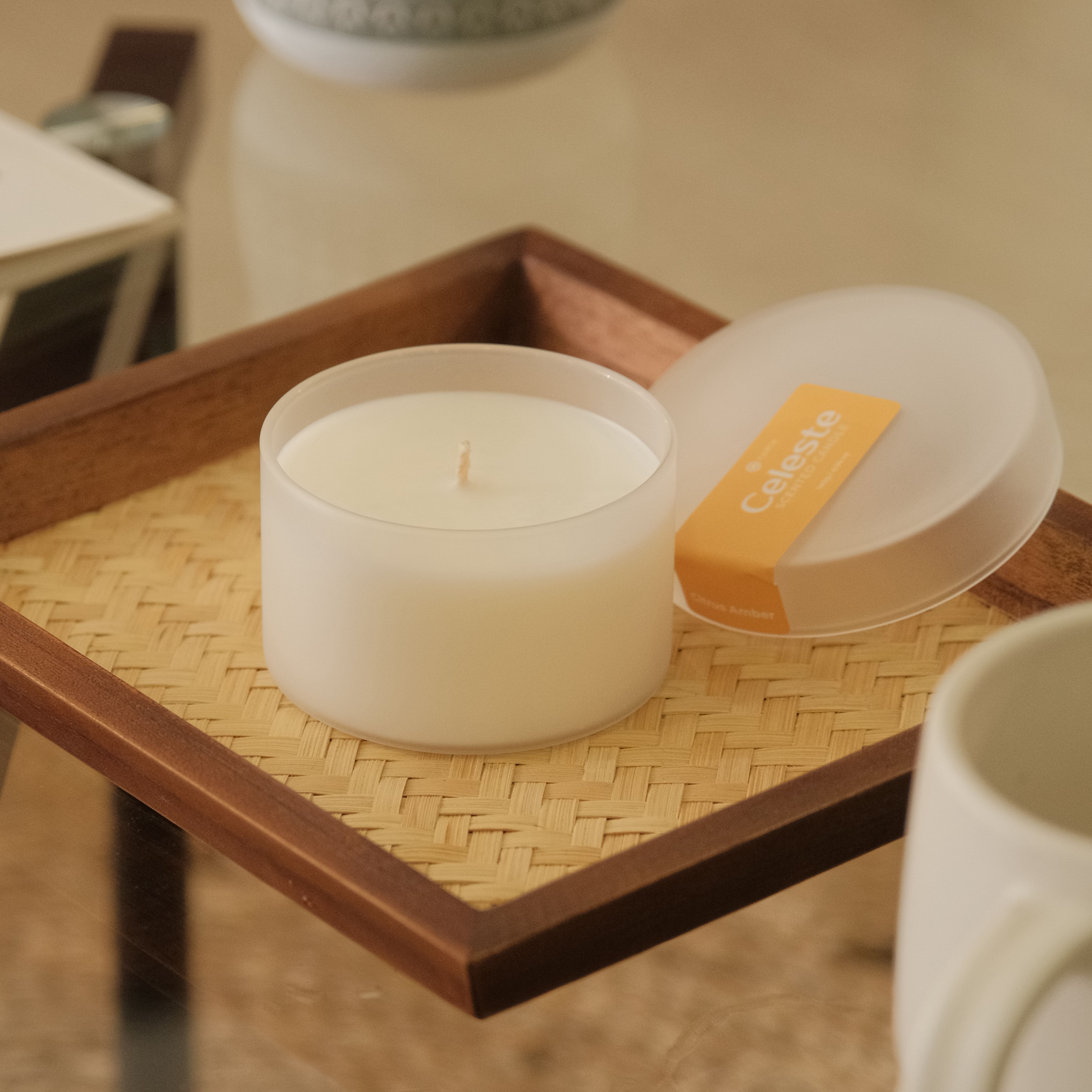
Home décor refers to the decorative and functional elements that shape how a room looks and feels. It can include wall art, mirrors, rugs, cushions, throws, vases, plants, candles, trays, baskets, tableware and lighting.
Furniture establishes the main function and layout of a room. Décor adds the finishing layers that connect those larger pieces, introduce personality and support daily use. The line between the two can overlap: a basket is decorative but also provides storage, while a mirror can be an accent and a practical object.
The best home décor is therefore not defined by price or quantity. It is defined by how well each item works with the room, the people using it and the existing furniture.
Why is home décor worth investing in?
1. It makes a home feel personal
A furnished room can still feel incomplete if it says little about the people who live there. Photographs, collected objects, favourite colours and artwork create a more individual interior.
Personal does not have to mean busy. Display a few meaningful pieces and allow space around them. Rotating smaller objects can keep the room feeling fresh without requiring constant purchases.
2. It can improve how a room functions
Good décor often has a practical role. A tray gathers small objects, a basket keeps frequently used items together, a rug creates a visual boundary and a mirror provides a useful final check near the entrance.
Before buying, ask what the item will do. If it solves an everyday inconvenience as well as looking attractive, it is more likely to remain useful over time.
3. It creates visual balance
Décor helps correct spaces that feel bare, heavy or disconnected. A large artwork can balance a wide sofa. A rug can connect seating that otherwise appears to float separately. A tall vase or plant can soften an empty corner.
The key is scale. One appropriately sized object often creates more impact than several undersized pieces spread across the room.
4. It allows an affordable, flexible refresh
Changing a sofa, dining table or bed requires a significant commitment. Smaller accessories let you update colour, texture or seasonal mood while keeping the main furniture.
Cushion covers, throws, trays and vases are relatively easy to move between rooms. Build a versatile base first, then change selected accents rather than replacing every decorative item together.
5. It can make a home more welcoming
A clear entrance, comfortable seating, usable lighting and a tidy surface help guests understand and enjoy a space. A welcoming home is not necessarily formal; it simply feels considered and easy to use.
This is particularly useful when hosting family and friends for everyday meals or celebrations. Keep walkways clear, provide convenient surfaces and avoid arrangements that guests are afraid to touch.
6. It supports organisation without looking purely utilitarian
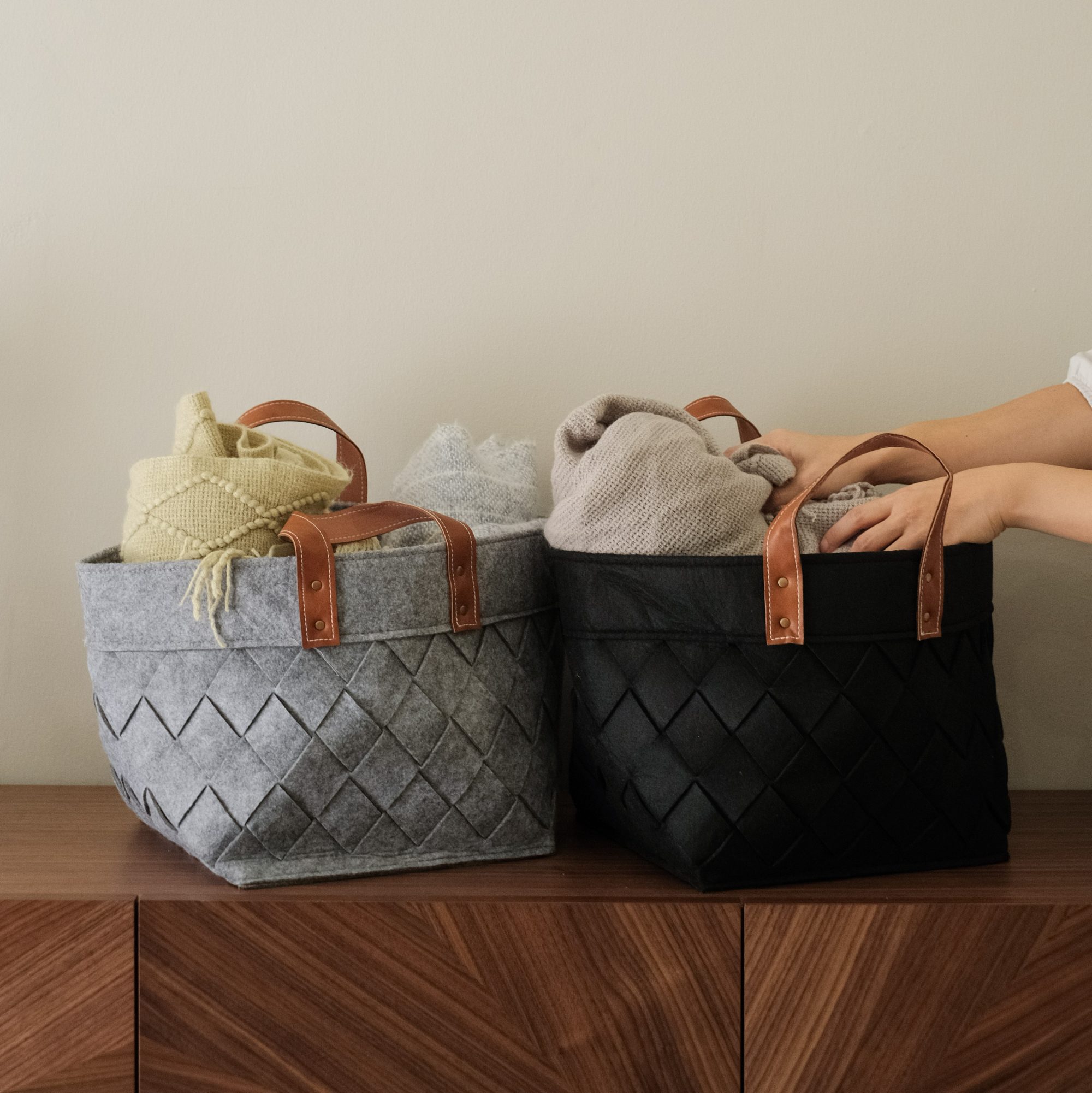
Open shelving and visible surfaces can quickly accumulate keys, chargers, toys or paperwork. Baskets, boxes and trays give these small objects a defined home while contributing colour and texture.
Decorative storage works best when it matches the contents. Choose open baskets for items you reach for frequently and closed storage for objects that create visual noise. Labels or internal organisers can make shared storage easier to maintain.
How should you choose home décor?
Before shopping for home accessories in Malaysia, use the following sequence.
Step 1: Identify the room's practical problem
Begin with one clear need. Is the room too dark, visually empty, difficult to organise or lacking a focal point? A precise problem leads to a more useful purchase.
Examples:
-
If the coffee table collects loose objects, begin with a tray.
-
If a sofa looks disconnected from the room, consider a rug and cushions.
-
If an entryway becomes untidy, add a basket or contained drop zone.
-
If a blank wall feels unbalanced, choose appropriately scaled art or a mirror.
Step 2: Measure the available space
Record the height, width and depth of the intended area. For wall décor, note the furniture below it and nearby switches, doors or curtains. For floor pieces, preserve walking clearance and access to drawers or cabinets.
Do not judge size from a product photograph alone. Check the dimensions and mark the proposed outline with removable tape or paper before ordering.
Step 3: Build a simple colour palette
Choose colours from items already in the room: flooring, walls, sofa, curtains or artwork. A practical approach is to use a dominant neutral, one supporting colour and a smaller accent. The proportions do not need to be exact; the aim is consistency.
Repeat the accent in two or three places rather than using it once. For example, connect a green cushion with artwork and a vase or plant elsewhere in the room.
Step 4: Mix texture and material deliberately
Rooms dominated by smooth surfaces can benefit from linen, woven baskets, textured ceramics or a rug. A room with many timber finishes may need glass, metal or a pale textile for contrast.
Limit the main arrangement to two or three prominent materials. Repeating those materials elsewhere makes the room feel connected rather than random.
Step 5: Check care, placement and safety
Review cleaning instructions and consider humidity, direct sunlight, heat and ventilation in the intended location. Do not assume that every fabric, timber, metal or stone-look item has the same care needs.
Keep candles and heat sources away from flammable materials and draughts, follow the product instructions, and never leave a burning candle unattended. Heavy mirrors and wall art should be installed using suitable fixings for the wall and item. Keep fragile objects away from unstable edges and busy walkways, particularly in homes with children or pets.
How to decorate a living room
The living room usually contains the home's largest furniture, so décor should connect those pieces rather than compete with them.
Start with one visual anchor:
-
a rug that relates to the seating arrangement;
-
artwork or a mirror above the main furniture;
-
a coffee-table arrangement grouped on a tray; or
-
cushions that repeat colours from the room.
Use variation in height and texture, but keep frequently used surfaces functional. A coffee table does not need to display an entire collection. One tray, a book and a small object can be enough.
Explore decorative objects, cushions and rugs to add layers without changing the main furniture.
How to decorate a dining room
Dining-room décor should make meals feel inviting without reducing table space. Use a low centrepiece or a portable arrangement on a tray. Coordinate table linen with the room rather than matching every item exactly.
A sideboard can hold serving pieces and provide a separate display surface. On the wall, choose artwork or a mirror that relates to the width of the furniture below it. If the dining area is part of an open-plan layout, repeat one colour or material from the living space for continuity.
For special occasions, add temporary layers through table linen, serving pieces and festive colours. Return to a simpler arrangement for everyday use.
How to decorate a bedroom
A bedroom generally benefits from fewer visual distractions than a social space. Let the bed remain the focal point and use décor to support comfort and storage.
Consider:
-
cushions or a throw for colour and texture;
-
bedside lighting suited to reading and winding down;
-
one artwork grouping above a suitable piece of furniture;
-
a tray for jewellery or small essentials; and
-
a basket for spare textiles.
Keep the bedside surface edited so daily items remain easy to reach. If you use fragrance products, follow their instructions and consider the preferences of everyone who shares the room.
How to decorate an entryway
The entrance needs to handle movement and everyday objects. Create a defined place for keys, bags and footwear without narrowing the walkway.
A tray can form a drop zone on a console, while a basket can hold small reusable items. A mirror is both decorative and useful, provided it is safely installed and does not create uncomfortable glare.
If space is limited, choose one wall feature and one storage solution instead of decorating every surface.
How to decorate a home office
Home-office décor should support concentration and keep the desk usable. Begin with task lighting and storage, then add a small number of personal objects.
Artwork, a photograph or a plant can provide visual interest beyond the screen. Use trays or containers for stationery and charging accessories. Avoid placing decorations where they restrict device ventilation, cable access or working space.
Best home décor for small Malaysian homes
In a compact condominium, apartment or terrace-house room, choose décor that adds impact without consuming unnecessary floor or surface area.
| Small-space challenge | Useful décor approach | Why it works |
| Limited storage | Baskets and decorative boxes | Contains small items without adding bulky furniture |
| Bare walls | One scaled artwork or mirror | Adds personality without using floor space |
| Open-plan layout | Rug or pendant light | Visually defines a zone |
| Too many small objects | Group selected pieces on a tray | Creates one organised composition |
| Dark corner | Mirror or layered lighting | Helps distribute available light |
| Rental restrictions | Textiles and freestanding accessories | Easier to move and update |
Use vertical space carefully, but avoid filling every wall. Visible empty space helps a compact room feel calmer and allows important pieces to stand out.
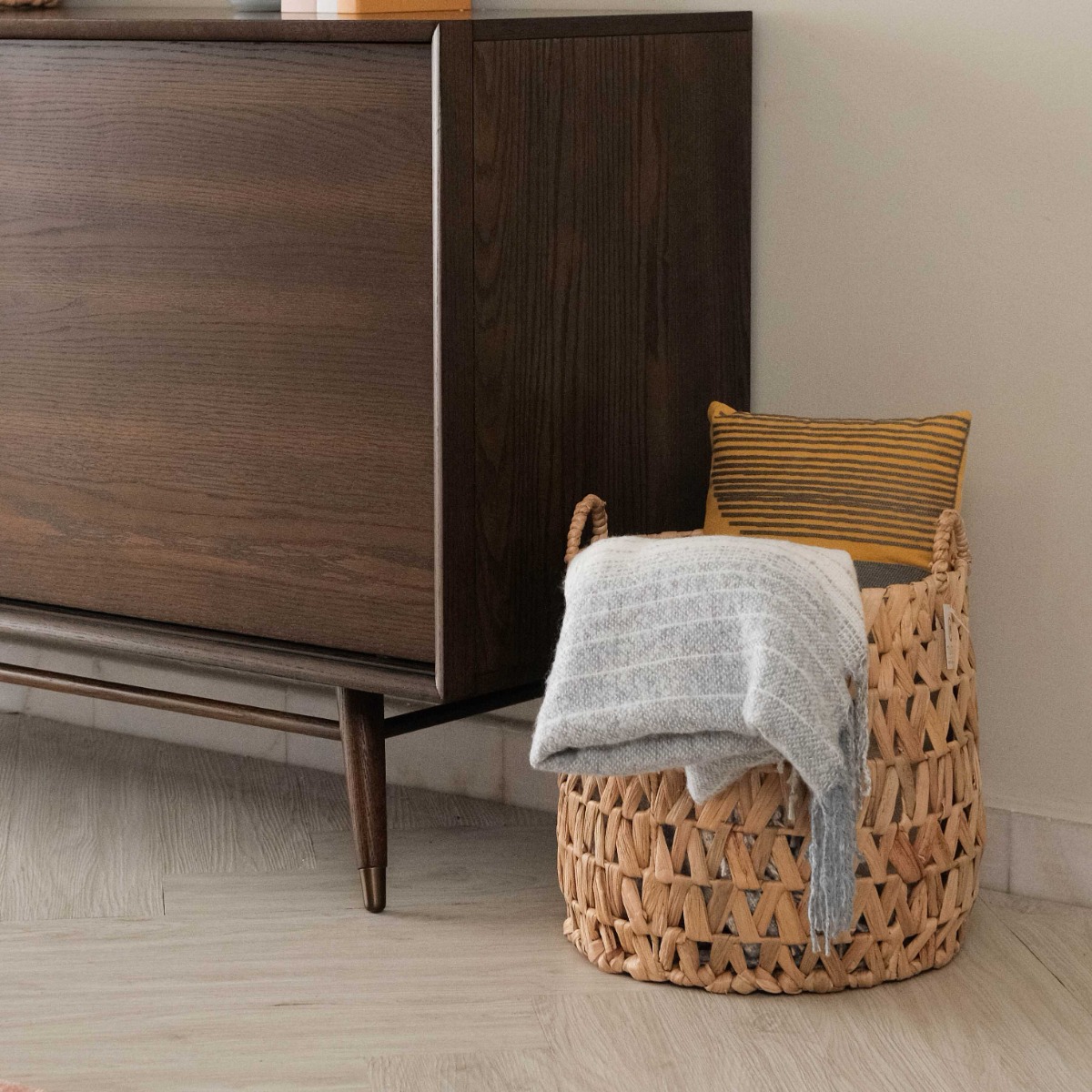
Ruma's baskets and storage offer a practical place for everyday items, while mirrors can add function and visual depth when positioned thoughtfully.
Which home décor pieces should you buy first?
If you are starting from an undecorated room, prioritise pieces in this order:
-
Functional lighting. Make sure the room works comfortably at different times of day.
-
Organisation. Give frequently used small items a proper place.
-
A room-defining piece. Depending on the space, this might be a rug, mirror or artwork.
-
Soft texture. Introduce cushions, a throw or table linen where useful.
-
One personal layer. Add photographs, artwork, ceramics or collected objects.
-
Seasonal accents. Add these only after the everyday foundation works.
This order is flexible. A well-lit, organised room with one meaningful focal point usually feels more complete than a room containing many unrelated accessories.
How to decorate on a budget without making a room look cheap
Budget-friendly decorating is less about finding the lowest-priced item and more about avoiding purchases that do not work together.
Try these strategies:
-
decorate one room or surface at a time;
-
reuse colours already present in the home;
-
move accessories between rooms before buying more;
-
group small objects so they read as one arrangement;
-
mix affordable accents with a small number of durable focal pieces;
-
choose portable items that can work in a future home; and
-
wait until you know the correct measurements.
Before checkout, ask whether the item has a purpose, a planned location and a relationship to something already in the room. If the answer is no, it may be an impulse purchase rather than a useful investment.
Common home decorating mistakes
Avoid these frequent problems:
-
Buying without measuring. Décor can be too small as easily as it can be too large.
-
Filling every surface. Empty space is part of a balanced composition.
-
Following a trend without considering the room. Choose pieces that work with your home and routine.
-
Using too many unrelated colours. Build from a simple palette and repeat accents.
-
Ignoring practical storage. Decorative baskets and trays still need the right capacity and location.
-
Hanging wall décor without reference to the furniture. Consider the entire wall composition, not the object alone.
-
Choosing appearance over maintenance. Check cleaning and care requirements before purchasing.
-
Overlooking safety. Install heavy items properly and position fragile or heated objects responsibly.
-
Decorating all rooms identically. Create continuity through colour or material while allowing each room to serve its own purpose.
Home décor buying checklist
Before buying a decorative item, confirm:
It solves a practical or visual need
You know exactly where it will go
Its dimensions suit the furniture and available space
Its colour connects with the existing room palette
Its material adds useful contrast or texture
It will not obstruct a walkway, drawer or daily activity
You understand the cleaning and care requirements
It can be installed or used safely
It works with at least one item you already own
It is preferable to rearranging or reusing an existing piece
Build a home that feels considered
The value of home décor is not measured by how many objects a room contains. It comes from choosing pieces that improve function, create balance and express something about the people who live there.
Start with a clear purpose, measure the space and build the room gradually. A useful basket, appropriately scaled artwork or well-positioned rug can have more impact than an entire collection of disconnected accessories.
Explore Ruma's range of home décor and accessories in Malaysia, including decorative objects, vases, candles, trays and storage for different rooms and styles.
Frequently asked questions about home décor
Why is home décor important?
Home décor helps a room feel personal, visually balanced and easier to use. Practical items such as mirrors, rugs, trays and baskets can also improve lighting, define areas and organise everyday belongings.
Is home décor worth investing in?
It can be worth investing in when a piece has a clear purpose, suits the room and will be used over time. Prioritise appropriate scale, function, care and versatility rather than price or quantity alone.
How do I choose home décor for my house?
Identify the room's main need, measure the available space and build a simple colour and material palette. Choose a small number of pieces that relate to the existing furniture and support daily activities.
What home décor should I buy first?
Begin with functional lighting and organisation. Then add one room-defining element, such as a rug, mirror or artwork, followed by useful textiles and a small number of personal objects.
How can I decorate a small Malaysian home?
Use wall space thoughtfully, choose compact or multi-use décor and keep surfaces edited. Mirrors, rugs, trays and decorative storage can add function and personality without requiring large amounts of floor space.
How can I make my home look cohesive?
Repeat selected colours, materials or shapes across the room. The furniture and accessories do not need to match exactly, but they should share enough visual elements to feel connected.
How can I decorate my home on a budget?
Work on one area at a time, rearrange existing pieces and buy only after measuring. Portable accents such as cushions, trays, vases and artwork can refresh a room without replacing the main furniture.
How much home décor is too much?
A room may have too much décor when surfaces cannot be used comfortably, objects compete for attention or cleaning becomes difficult. Remove some items and group the remaining pieces into deliberate arrangements.
What home décor works well in a rental?
Textiles, portable lighting, freestanding mirrors, trays, baskets and decorative objects can personalise a rental without permanent alterations. Always follow the tenancy rules before attaching anything to walls or changing fixtures.
Reviewed by the RUMA Editorial Team
The RUMA Editorial Team reviews home and furniture content to help readers make clearer buying decisions based on space, function and everyday living needs.
